

Get in Touch Today
Discover how our copper solutions can enhance your business operations and drive success.
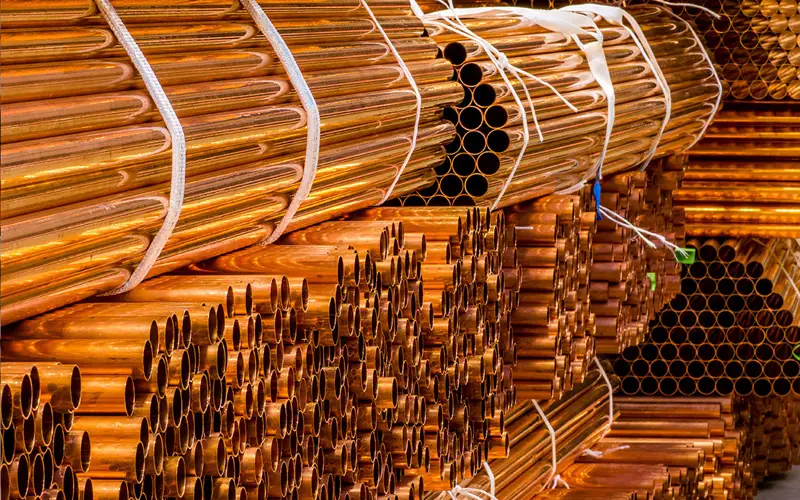
Copper Industry
5 min read
👁️ 591 views

November 16, 2025
Table of Contents
From HVAC and refrigeration to plumbing and large-scale manufacturing; the quality of components directly impacts efficiency, safety, and longevity. Copper, with its unmatched balance of strength, conductivity, and resistance, remains a top choice for engineers and manufacturers worldwide. At Asteria Copper, every tube undergoes strict testing and quality control procedures to ensure superior performance. This approach guarantees that each product meets industrial standards for efficiency, corrosion resistance, and safety. If you want to understand why copper is still the gold standard of piping materials, continue reading this article on the Asteria Copper Industries blog to explore the advantages of copper tubes in various industrial applications.
Copper pipes play a vital role across multiple sectors, offering the perfect combination of thermal conductivity, corrosion resistance, and mechanical strength. In industrial applications, the choice of pipe type depends on the operational environment, system design, and required performance. Different forms of copper tubes are engineered to suit specific uses, ensuring that industries can rely on them for consistent performance and energy efficiency.
Types of Copper Pipes Used in Industries:
Each of these types of copper tubes contributes differently to the advantages of copper tubes in industrial uses, ensuring seamless operation, reduced maintenance, and improved thermal performance across industries like energy, manufacturing, and construction.
The use of copper in industrial piping has stood the test of time due to its combination of physical, chemical, and mechanical properties. Whether in refrigeration plants, power generation facilities, or chemical processing units, the advantages of copper tubes are numerous and measurable. Below, we’ll examine these advantages in detail under specific categories that highlight their importance in modern industrial systems. Get more information about copper tubes used in refrigeration systems in our blog post.
One of the primary advantages of copper tubes in industrial applications is their exceptional ability to transfer heat efficiently. Copper’s high thermal conductivity ensures faster heat exchange, which improves the overall energy performance of systems like air conditioners, condensers, and evaporators. This property allows industries to achieve optimal system output while minimizing energy loss; a factor that directly translates to operational savings.
Copper’s natural resistance to corrosion gives it a significant edge over alternative materials such as steel or aluminum. In industries where exposure to moisture, chemicals, or varying temperatures is unavoidable, copper pipes maintain their integrity for decades.
The advantages of copper tubes in industrial uses include reduced maintenance costs, fewer replacements, and long-term system reliability. This makes them ideal for harsh environments such as marine, chemical, and oil processing industries.
Copper’s tensile strength and flexibility make it both robust and adaptable, even under high pressure or extreme conditions. Unlike plastic or composite alternatives, copper tubes can withstand vibrations, mechanical stress, and temperature fluctuations without deformation or leakage.
Such mechanical resilience is one of the defining advantages of copper tubes, making them a dependable solution for both stationary and mobile industrial systems.
When evaluating piping materials for industrial systems, engineers often compare copper with alternatives such as aluminum, steel, and plastic composites. While every material offers unique benefits, copper remains unmatched in its overall performance profile. Its combination of thermal efficiency, durability, and resistance to corrosion makes it a preferred material across industries that require reliability and longevity. Though copper may have a higher initial cost, its lifecycle value easily outweighs cheaper alternatives due to reduced maintenance and superior system stability.
Below is a concise comparison showing how copper stands against other materials in industrial environments:
| Property / Material | Copper | Aluminum | Stainless Steel | Plastic (PVC/PEX) |
| Thermal Conductivity | Excellent | Good | Moderate | Poor |
| Corrosion Resistance | High | Moderate | Very High | Low |
| Mechanical Strength | High | Moderate | Very High | Low |
| Flexibility / Workability | Excellent | Good | Poor | Excellent |
| Durability (Lifespan) | 50+ years | 20–30 years | 40–50 years | 10–20 years |
| Maintenance Cost | Low | Moderate | Moderate | High |
| Recyclability | 100% | 90% | 80% | Low |
| Overall Performance Value | ★★★★★ | ★★★★☆ | ★★★★☆ | ★★☆☆☆ |
Even when minor challenges such as price volatility or theft risk exist, the advantages of copper tubes in industrial applications; particularly their reliability, conductivity, and sustainability; make copper the smarter long-term investment.
Copper pipes are used in a wide variety of sectors due to their unique physical and chemical properties. Below are some key industrial uses of copper tubes:
These applications highlight the advantages of copper tubes in industrial uses, particularly their ability to ensure clean fluid transfer, minimize system failures, and improve overall operational efficiency.
Asteria Copper Industries stands out as a trusted global partner for high-quality copper tubing solutions. By combining advanced manufacturing technology with strict quality control, Asteria ensures that each tube delivers superior efficiency and durability for industrial systems of all scales. From refrigeration to chemical processing, our copper products are designed to perform flawlessly under demanding conditions.
If you are looking to experience the advantages of copper tubes firsthand, Asteria is your go-to source. You can easily place your order directly on our website; simply contact our support team or scroll to the bottom of the page and click the orange “Send a Request” button. Provide your details, and our specialists will get in touch to assist you with product selection and technical support.
FAQ
At Asteria Copper Industries, all copper tubes are manufactured with a minimum purity level of 99.9%, ensuring consistent conductivity, flexibility, and corrosion resistance.
Copper is widely used in HVAC systems, chemical plants, power generation, and refrigeration units. It’s also an essential material for solar energy systems, desalination plants, and precision instruments due to its exceptional physical properties and ease of fabrication.
When properly installed and maintained, copper tubes can last over 50 years, even in harsh industrial environments. Their durability and resistance to corrosion significantly reduce the need for replacements, offering excellent long-term value and reliability.
Latest News | Events
News
5 min read
3 months ago

News
5 min read
9 months ago

News
5 min read
10 months ago

News
5 min read
10 months ago

admin
Copper Industry

https://asteriacopper.com/?p=668
Link copied


Get in Touch Today
Discover how our copper solutions can enhance your business operations and drive success.